
How Much Does Crawl Space Encapsulation Cost in Richmond?
There is no single Richmond number, and anyone quoting one before looking under your house is guessing. What there is, is a short list of variables that explain nearly all the spread between quotes.
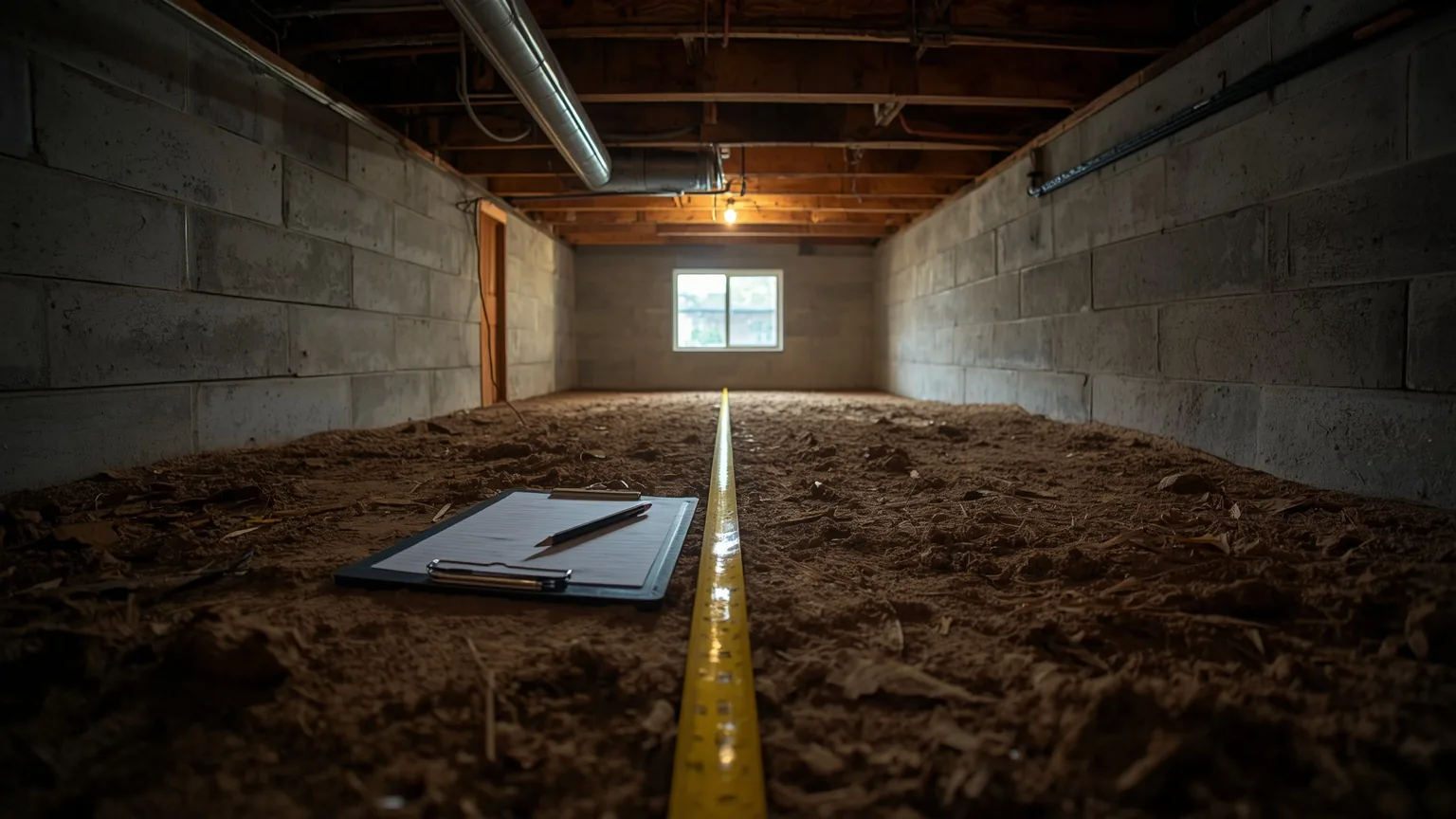
What affects crawl space encapsulation cost in Richmond?
Richmond Crawl Space Solutions arranges crawl space encapsulation estimates across the Richmond area. Cost is driven by square footage, headroom and access, whether water has to be dealt with first, the liner specification, how much old material comes out, and whether dehumidification or drainage is included. We do not publish a fixed price, because a figure quoted before an inspection is not an estimate. Call (804) 552-6898 to arrange an evaluation.
Why two quotes for the same house differ so much
Because "encapsulation" is not a defined quantity of work. It describes an outcome, and the routes to that outcome vary in material, in thoroughness and in what they include. A cheaper quote is sometimes a worse job and sometimes simply a narrower scope honestly described.
These are the variables that actually move the number.
- Square footage. The single biggest driver. Liner, labor and conditioning all scale with floor area.
- Headroom and access. A space you can move through is quicker to work in than one with 20 inches of clearance and a small hatch. Restricted access lengthens every stage.
- Standing water or active entry. If water has to be resolved first, drainage or a sump system is a separate body of work ahead of any sealing.
- Liner specification. Thickness, material and how seams and terminations are treated. Code sets a Class I retarder as the minimum; products above that cost more and last longer.
- Removal. Old fallen insulation, a failed barrier, debris and anything else that has to come out and be disposed of before work starts.
- Damaged wood. Framing repairs found during evaluation are their own scope, priced separately.
- Conditioning method. Which of the code's accepted methods is used to control the sealed space, covered below.
- Piers, penetrations and complexity. A rectangular space with four piers is quicker than a complex footprint with many columns, ducts and plumbing runs to seal around.
How much for 1,000 or 2,000 square feet?
The honest answer is that square footage alone does not price the job, which is why we do not publish a per-square-foot figure that would be wrong for most houses.
A 1,000 square foot crawl space with 4 feet of headroom, a dry floor and good access is a straightforward job. A 1,000 square foot space with 20 inches of clearance, standing water and old insulation to remove can cost substantially more than a 2,000 square foot space that is dry and open. Area is one variable among several, and it is not always the dominant one.
What you can reasonably do is get two or three itemized quotes and compare them line by line. Where they diverge is where the scope differs, and that is a more useful conversation than a headline number.
The dehumidifier question, which has a Virginia-specific answer
Sealing a crawl space does not by itself control humidity — it changes which air is in there. Virginia's code requires an unvented crawl space to be conditioned by one of four accepted methods: continuously operated mechanical exhaust, a conditioned air supply, a plenum arrangement in existing structures, or dehumidification.
A dehumidifier is therefore one legitimate option rather than an automatic add-on, and which method is proposed changes the price. Where dehumidification is the chosen route, Virginia sets a specific capacity — the dehumidifier page covers the number and the arithmetic.
The thing to establish before signing is which of the four methods your quote assumes, because a quote that seals the space and specifies none of them has left out a code requirement rather than saved you money.
Should standing water be addressed first?
Yes, always, and it changes the budget. Water is resolved before sealing, which means drainage work and possibly a sump system come first as their own line items.
This is why an inspection matters before a price. A quote produced without anyone going underneath cannot know whether it is pricing a sealing job or a water job followed by a sealing job, and those are very different numbers.
What Virginia's license classes tell you about a bidder
Virginia licenses contractors in three classes by the size of the contract, set out in Va. Code Section 54.1-1100. A Class C license covers a single contract over $1,000 but less than $30,000. Class B covers $30,000 to less than $150,000. Class A covers $150,000 or more.
Most residential crawl space work sits in the Class C band. That is worth knowing because "Class A licensed" gets used in marketing as though it were a quality grade, and it is not — it describes the contract size a firm is permitted to take on, not how well it seals a crawl space. A Class C contractor is fully licensed for the work most homes need.
The class is also not the thing to check. The thing to check is that the license number is real, current and held by the entity named on your contract, which you can confirm directly with the Virginia Department of Professional and Occupational Regulation rather than taking it from a website.
Crawl Space Encapsulation Cost questions
How much does it cost to encapsulate a 1,000 sq ft crawl space in Richmond?
It depends on more than the area. Headroom, access, whether water has to be resolved first, how much old material comes out and which conditioning method is used can each move the figure substantially. A tight, wet 1,000 square foot space can exceed a dry, open 2,000 square foot one. An on-site evaluation is what produces a real number.
Why do encapsulation estimates vary so much?
Because the word describes an outcome rather than a defined scope. Differences in liner specification, how far up the wall it goes, how seams and penetrations are treated, whether removal and disposal are included, and which conditioning method is specified all sit behind the spread. Itemized quotes make the differences visible.
Is crawl space encapsulation worth it?
Where the problem is ground vapor and humid air, it addresses the cause rather than the symptom and is generally worth doing. Where liquid water is entering, encapsulation alone is not worth it and can worsen matters. The distinction is what an evaluation is for.
Do I need a dehumidifier after encapsulation?
Not necessarily. Virginia's code accepts four conditioning methods for a sealed crawl space and dehumidification is one of them. What matters is that your quote specifies one of the four. If it specifies none, something required has been left out.
Why will you not publish a price on this page?
Because we have no verified pricing for this market and inventing a range would be misleading. A figure produced before anyone has seen your crawl space is not an estimate. The variables on this page are the honest version of the answer.
Related crawl space services
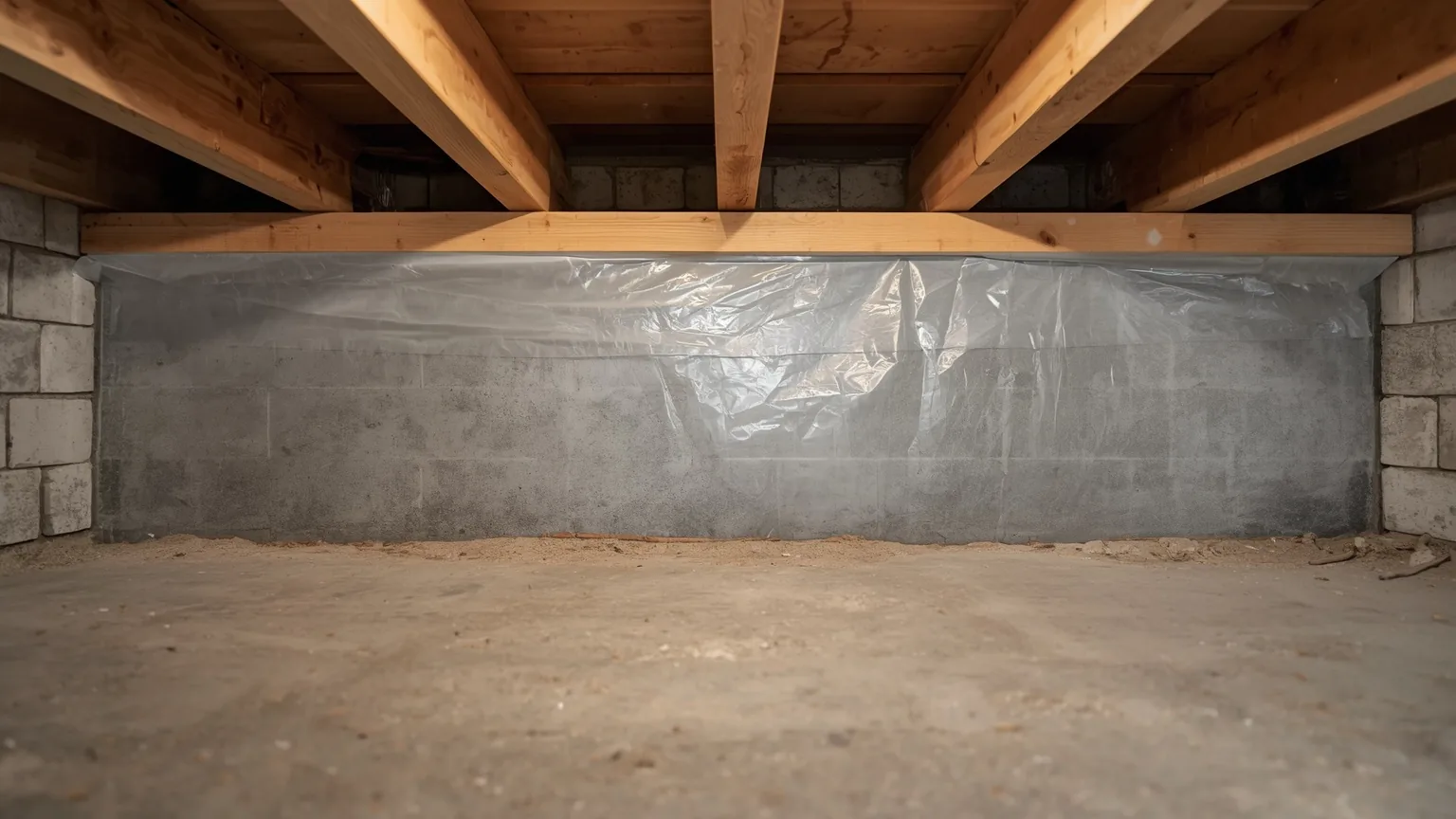
Crawl Space Encapsulation
The full sealed system — liner, closed vents and managed humidity.
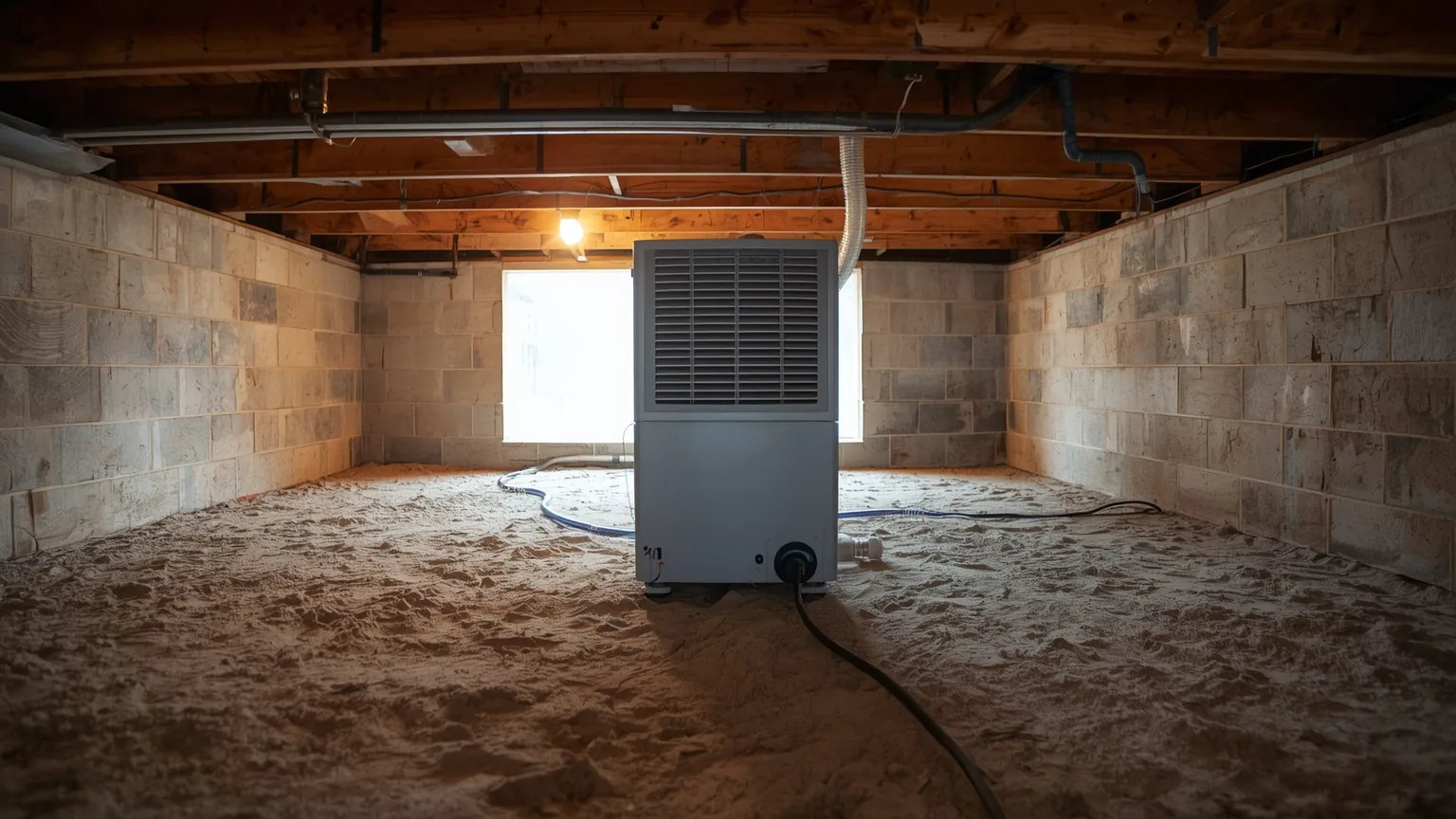
Crawl Space Dehumidifiers
Sizing, condensate and the capacity Virginia actually requires.
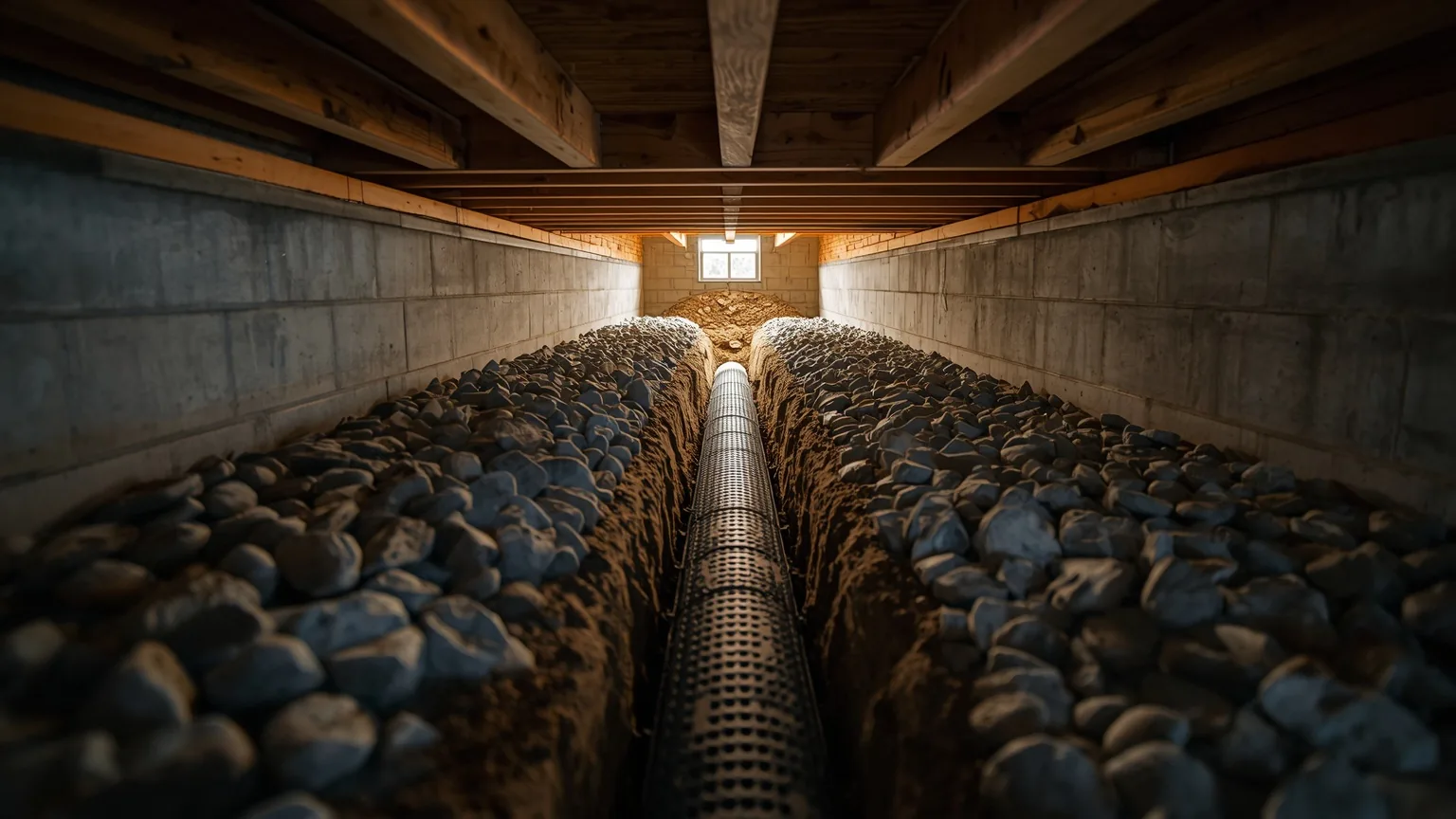
Crawl Space Drainage
A route out for water, once the cheap causes are eliminated.
Crawl Space Repair Cost
Why repair quotes vary more than any other crawl space work.
Find out what is actually causing it.
An inspection underneath, readings taken on site, and a written scope ahead of any figure.