
Crawl Space Repair in Richmond, VA
Repair is what happens when moisture has already cost you something structural. The order matters: find the water, stop the water, then fix what the water damaged.
Who handles crawl space repair in Richmond, VA?
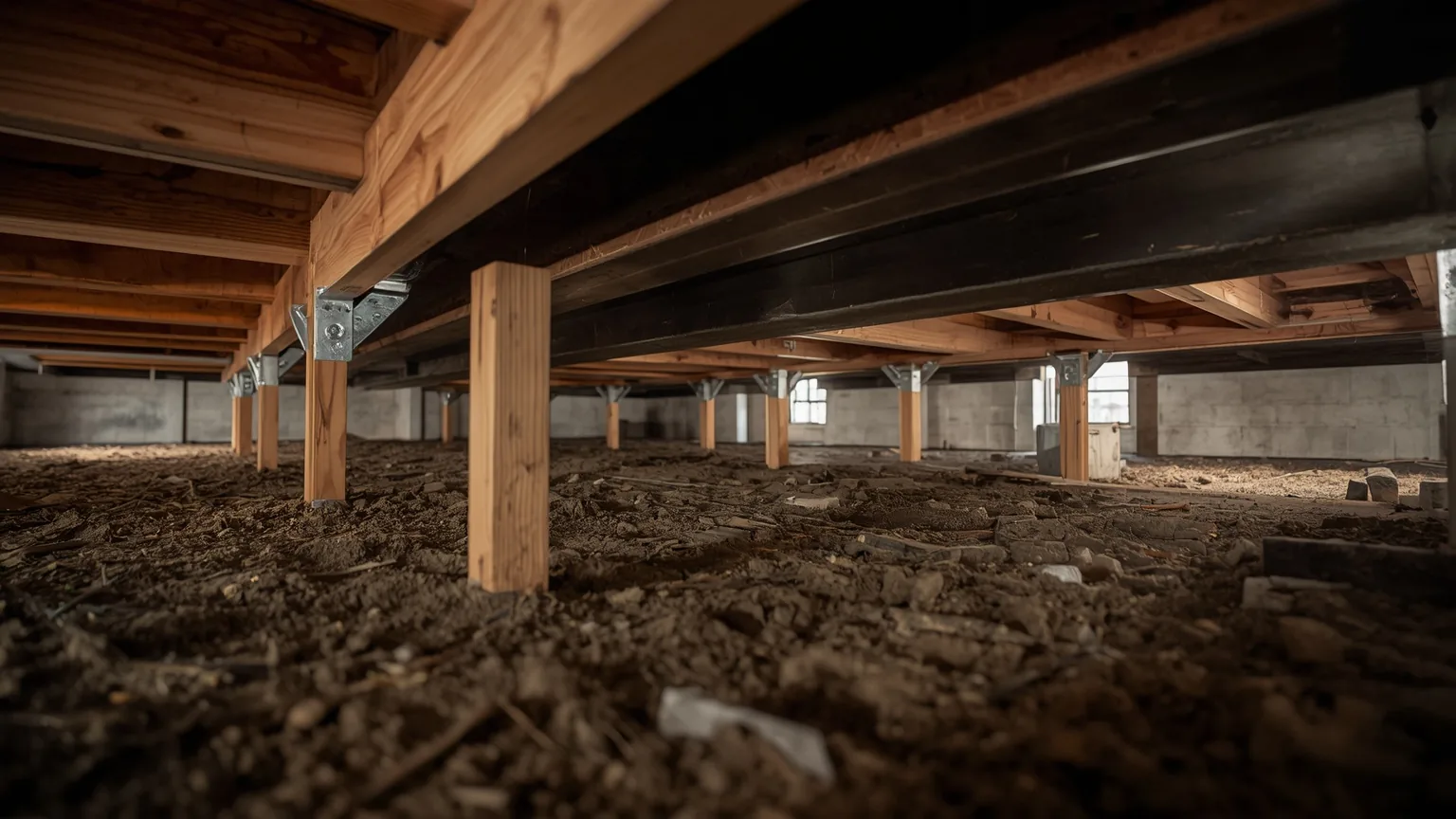
Richmond Crawl Space Solutions arranges crawl space repair across the Richmond area — sagging floors, deteriorated joists and girders, failed supports, damaged barriers and ruined insulation. Repairs are scoped after the moisture source is identified, because framing repaired above an unresolved water problem is framing that will need repairing again. Call (804) 552-6898 to arrange an evaluation.
What usually needs repairing
Crawl space repair is a category rather than a single job. What it involves depends entirely on what the moisture reached and how long it had.
- Floors that sag, bounce or slope. Usually the visible end of something happening below — a girder that has deflected, a support that has settled, or joists that have lost strength.
- Deteriorated joists and girders. Sustained moisture lets fungal decay establish in framing, which softens wood and reduces what it can carry.
- Failed or undersized supports. Posts sitting on inadequate footings, temporary supports that became permanent, or piers that have moved.
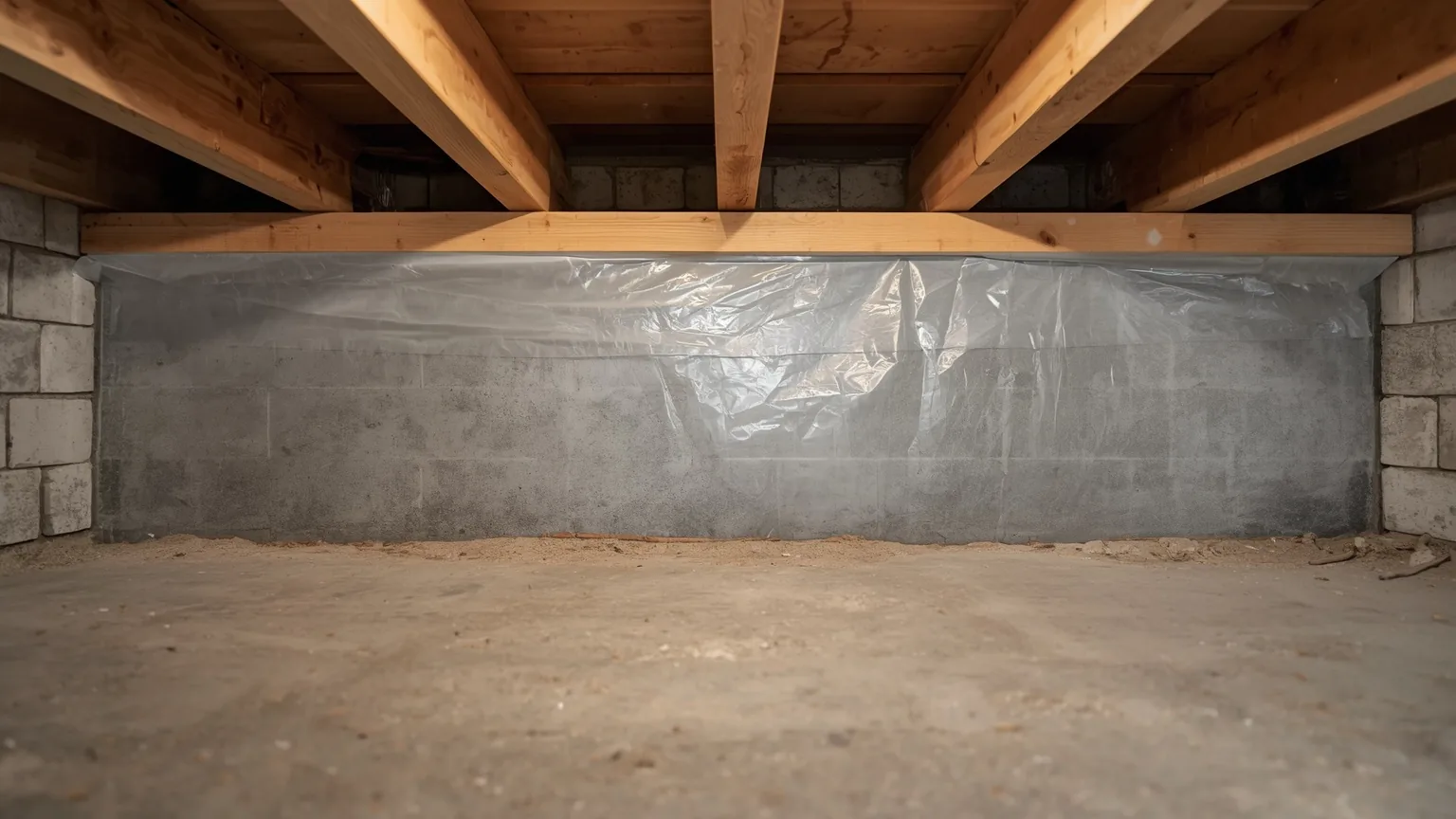
- Damaged vapor barriers. Torn, displaced or never-sealed material that has stopped doing anything useful.
- Wet, collapsed insulation. Batts that have taken on moisture and fallen away from the subfloor, which stop insulating and hold damp against the wood.
Why the sequence is not negotiable
Wood decay needs moisture. Framing that decayed did so because something kept it wet, and that something is still there until it is found and corrected. Replacing a joist without changing the conditions produces a new joist in the same environment that ruined the last one.
So a defensible repair scope starts with the diagnosis: where is the moisture coming from, is it liquid water or vapor, and what is the route in. That determines whether the fix involves drainage, waterproofing, moisture control, or some combination. The carpentry is the last stage, not the first.
Where an engineer comes in
Some of this is ordinary remedial carpentry. Some of it is not, and being straight about the line matters more than sounding capable.
Sistering a joist, replacing a section of rim board or resetting a post on a proper footing is routine work for a competent contractor. Where the framing is carrying more than it was designed to, where a girder has deflected significantly, where multiple bays are affected, or where the foundation itself has moved, the right answer is a structural engineer specifying the repair before anyone builds anything.
A contractor who proposes a structural solution without any engineering input on a job of that size is guessing at your expense. Equally, an engineer's report is not needed for every soft joist. A proper inspection is what tells you which situation you have.
What an inspection should produce
Someone has to physically get under the house. Moisture readings, taken at several points and written down. Photographs of what was found. A description of which members are affected and how far the damage extends, because the boundary between sound and unsound wood determines the scope.
You should end up with a written scope that separates the moisture work from the structural work and puts them in order, and states what is excluded. If the report is a price and a promise, ask for the readings.
One metro, two different grounds
Richmond sits on the Fall Line, the boundary where the hard crystalline rock of the Piedmont gives way to the softer sediments of the Atlantic Coastal Plain. It is the reason there are rapids in the middle of a city at sea level: the James River's gradient goes from 1 to 2 feet per mile above the Fall Zone to roughly 14 feet per mile through it, figures published by the College of William & Mary's geology department.
That boundary runs through the metro rather than around it, and it matters underneath a house. Homes west and north of the line generally sit on clay-rich material weathered in place from crystalline rock. Homes east and south sit on layered sands, gravels and clays laid down as marine and river sediment. The two behave differently when it rains and they fail differently.
The practical consequence is that a diagnosis borrowed from a neighbor two zip codes away is not worth much. Two crawl spaces fifteen minutes apart can be damp for genuinely different reasons, which is why the readings get taken at your house rather than inferred from the area.
Crawl Space Repair questions
Why is my floor bouncy above the crawl space?
Commonly because a joist or girder below has lost strength or a support has settled, so the floor is spanning further than it was designed to. Sustained moisture is the usual cause of the weakening. What it takes to correct depends on how many members are affected and why.
Can damaged joists be repaired or must they be replaced?
Both are used. Sistering a sound member alongside a damaged one works where the damage is limited and the surrounding wood is solid. Where decay is extensive or the member has lost significant section, replacement is the honest answer. An inspection determines which.
Do I need a structural engineer?
Not for every repair. Localized damage to one or two members is normally within a competent contractor's scope. Significant deflection, several affected bays, or any sign the foundation itself has moved is where an engineer should specify the repair before work begins.
Should I fix the moisture or the structure first?
The moisture, in almost every case. Decay requires moisture to continue, so new framing installed in unchanged conditions is on the same path as the framing it replaced. The only exception is where something is unsafe and needs temporary support immediately.
How do I know how far the damage goes?
By probing and measuring rather than by looking. Surface appearance understates decay, so a proper inspection tests wood at intervals to find where sound material begins. That boundary is what sets the repair scope.
Related crawl space services
Crawl Space Repair Cost
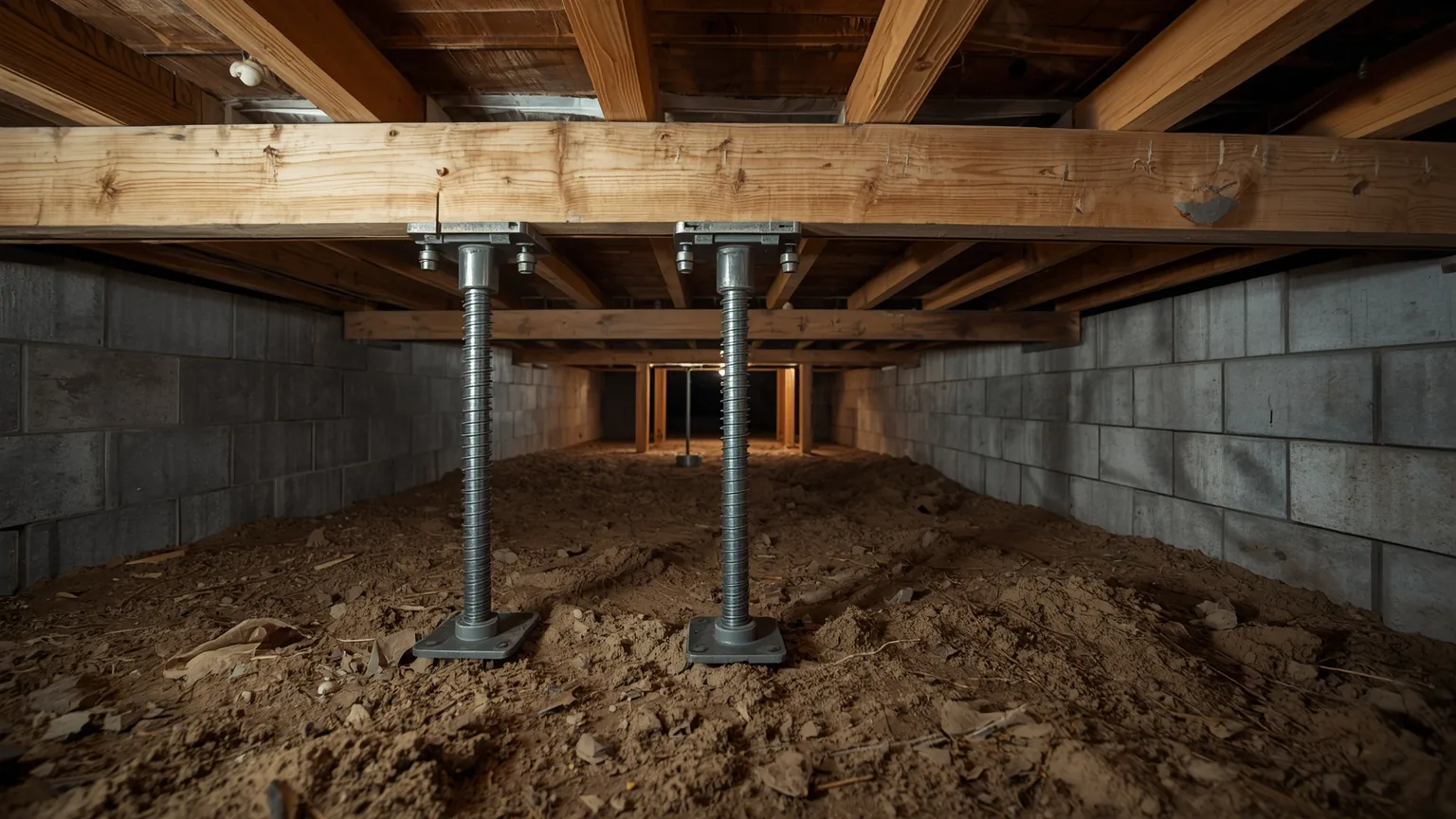
Why repair quotes vary more than any other crawl space work.
Crawl Space Waterproofing
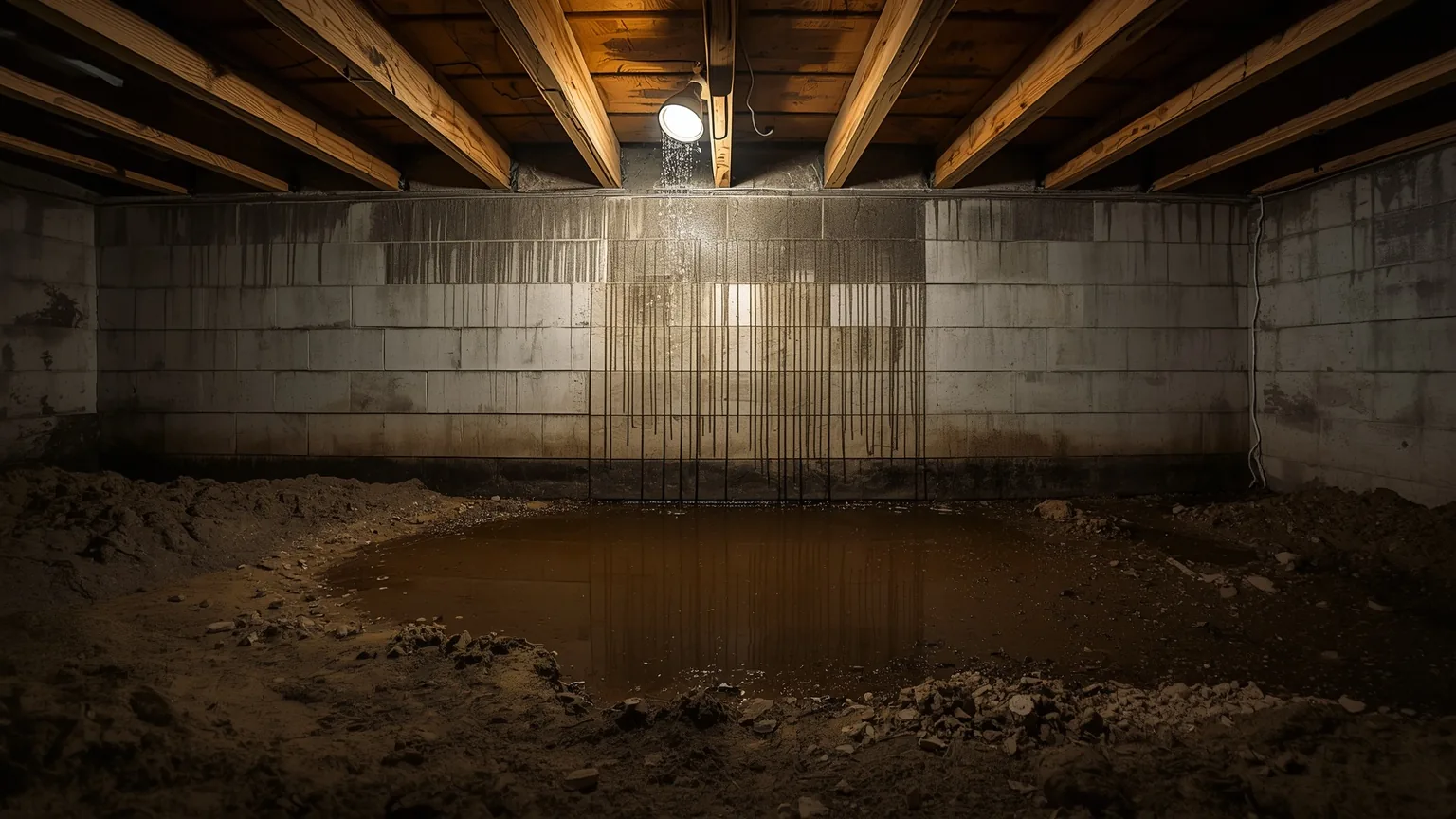
Stopping liquid water from arriving — outside causes checked first.
Crawl Space Moisture Control
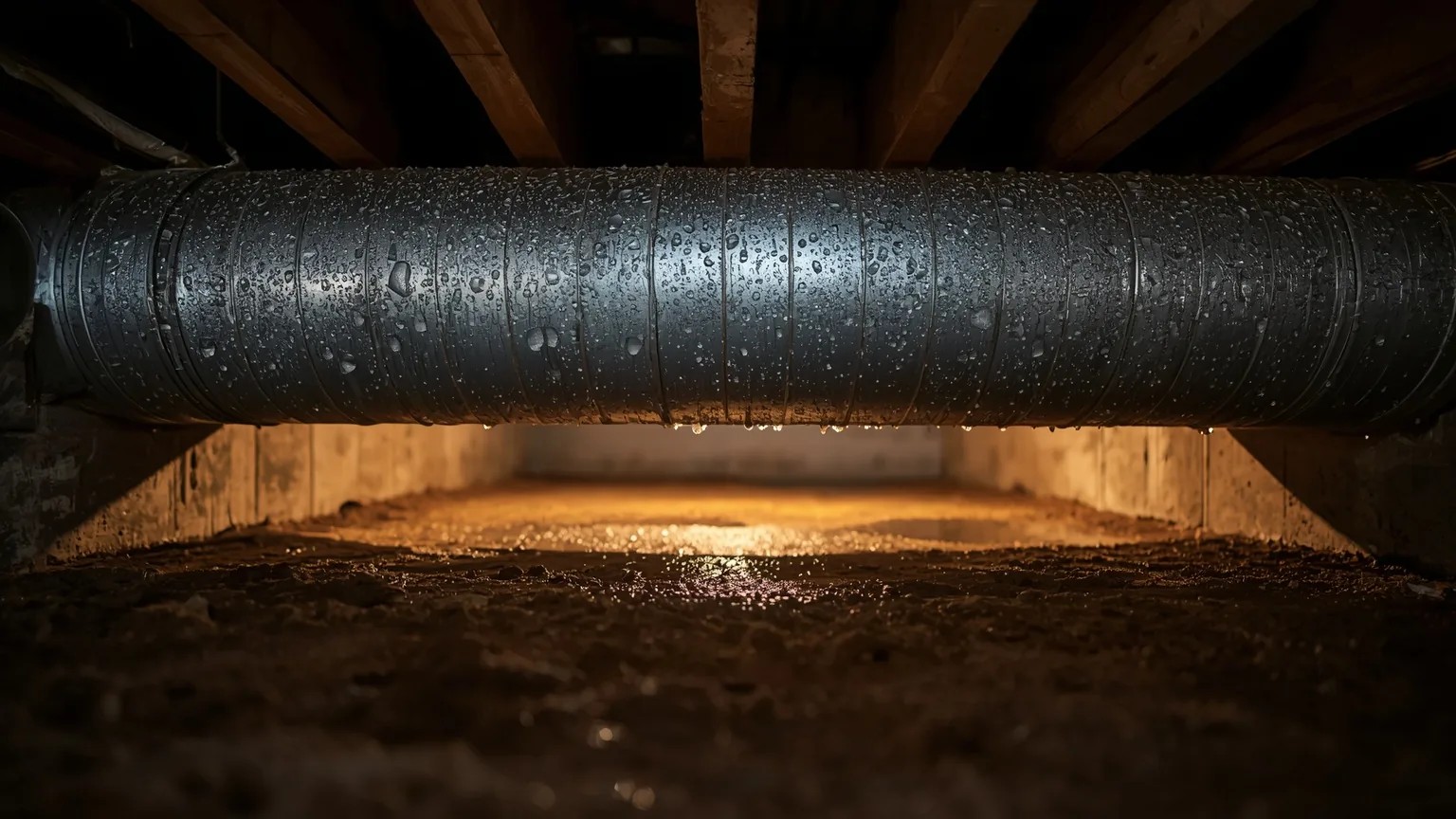
Identifying the source before choosing the remedy.
Crawl Space Encapsulation
The full sealed system — liner, closed vents and managed humidity.
Find out what is actually causing it.
An inspection underneath, readings taken on site, and a written scope ahead of any figure.