
Crawl Space Vapor Barrier Installation in Richmond, VA
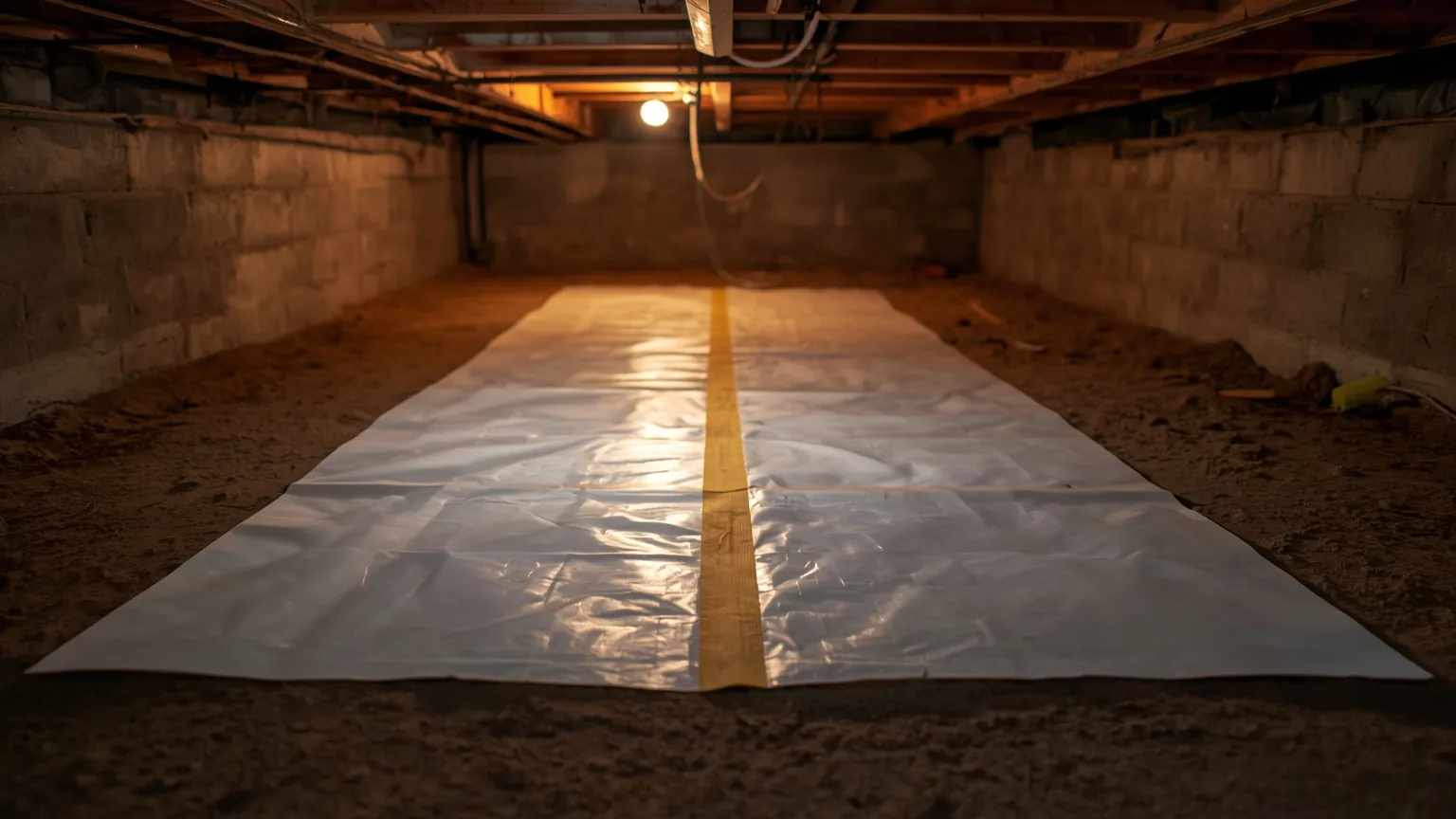
A vapor barrier covers the ground so soil moisture stops entering the air. That is a real job with a real benefit, and it is not the same thing as encapsulation.
Who handles vapor barrier installation in Richmond, VA?
Richmond Crawl Space Solutions arranges vapor barrier installation across Richmond and nearby communities. A barrier is sheet material laid over the exposed earth to stop ground moisture evaporating into the crawl space. It is genuinely useful on its own, and it is one component of — not a substitute for — a fully sealed and conditioned space. Call (804) 552-6898 to arrange an evaluation.
What a barrier does, and what it does not
Exposed soil in a crawl space gives off moisture continuously. A barrier interrupts that at the source, and in a space whose problem is ground evaporation it can make a substantial difference for a fraction of the cost of a full system.
What it does not do is address humid outside air coming in through the vents, which in a Virginia summer is often the larger share of the moisture load. A barrier laid in a vented crawl space stops the ground contribution and leaves the air contribution untouched. That is why some homes improve dramatically after a barrier and others barely change — the two situations had different dominant sources.
Barrier, or encapsulation?
The distinction is worth being precise about, because the two get sold under overlapping language.
- A vapor barrier covers the ground. It may be loose-laid or partly sealed. Vents stay open. Nothing manages humidity actively.
- Encapsulation is a continuous sealed liner over the ground and up the walls, vents closed, and humidity deliberately controlled by an accepted method. It is a system, not a material.
- The practical test is whether the vents are closed and whether anything is managing the humidity afterward. If the answer to either is no, it is a barrier.
Materials, seams and the parts that fail
Failures cluster in predictable places. Seams that were overlapped but never sealed. Edges that stop short of the wall and leave a strip of open soil around the perimeter. Nothing detailed around piers, columns and plumbing penetrations, so the barrier is continuous everywhere except the twenty places it is interrupted. Material too thin to survive anyone crawling on it.
For a sealed system, Virginia's R408.3 sets the floor: a continuous Class I vapor retarder, joints overlapped 6 inches and sealed or taped, edges carried not less than 6 inches up the stem wall and attached and sealed there. Heavier reinforced materials above that minimum cost more and tolerate traffic better, which matters if anyone will ever service equipment down there.
If a barrier is all you need, say so and specify it properly. If a sealed system is what the house needs, the encapsulation page describes it.
The permit question is different for a barrier
Laying ground cover in an otherwise unchanged vented crawl space does not convert it to an unvented crawl space. It is when the vents are closed and a conditioning method is introduced that the space is being built under R408.3 and its requirements apply, including the Virginia-specific ones.
That distinction is worth raising with whoever is quoting. Ask directly whether the proposal leaves the crawl space vented or converts it, because the answer determines which set of requirements applies and what has to be inspected.
The barrier that changes your ventilation requirement
There is a provision worth knowing if you are keeping the crawl space vented rather than sealing it. R408.2 sets the baseline: the net area of ventilation openings must be not less than 1 square foot for every 150 square feet of under-floor area, with an opening within 3 feet of each external corner.
The first exception to that section reduces the required ventilation area to 1/1,500 of the under-floor area where the ground surface is covered with an approved Class I vapor retarder. That is a tenfold reduction, and it is granted specifically in exchange for covering the ground.
The code is effectively conceding the point this page makes: the ground is a major moisture source, and once it is covered the space needs far less air moving through it. If you are quoted a vented approach with ground cover, that exception is the provision the design is relying on, and it is fair to ask whether the resulting vent area was actually calculated or simply left as found.
Vapor Barrier Installation questions
Is a vapor barrier the same as encapsulation?
No. A barrier covers the ground. Encapsulation is a continuous sealed liner over ground and walls, with vents closed and humidity actively controlled. The quick test is whether the vents are closed and whether anything manages humidity afterward. If not, it is a barrier.
How thick should a crawl space vapor barrier be?
For an unvented crawl space, Virginia's code requires a continuous Class I vapor retarder with joints lapped 6 inches and sealed, carried at least 6 inches up the stem wall. That is a minimum. Heavier reinforced materials cost more and hold up far better where anyone will crawl on them.
Will a vapor barrier alone fix my humidity?
Sometimes, where ground evaporation was the dominant source. In a vented crawl space in this climate, humid outside air is often the bigger contributor, and a barrier does nothing about that. Which source dominates is what readings establish.
Do the seams need to be sealed?
For a sealed system, yes — the code requires joints overlapped 6 inches and sealed or taped. For a simple ground cover, unsealed laps still help but perform noticeably less well. Unsealed seams are among the most common reasons a barrier underdelivers.
Can I install a vapor barrier myself?
Physically it is possible in an accessible space, and the material is not expensive. Doing it well means detailing every pier, column and penetration and getting full coverage to the walls, which is where most homeowner installations fall short. In a tight space it is unpleasant work.
Related crawl space services
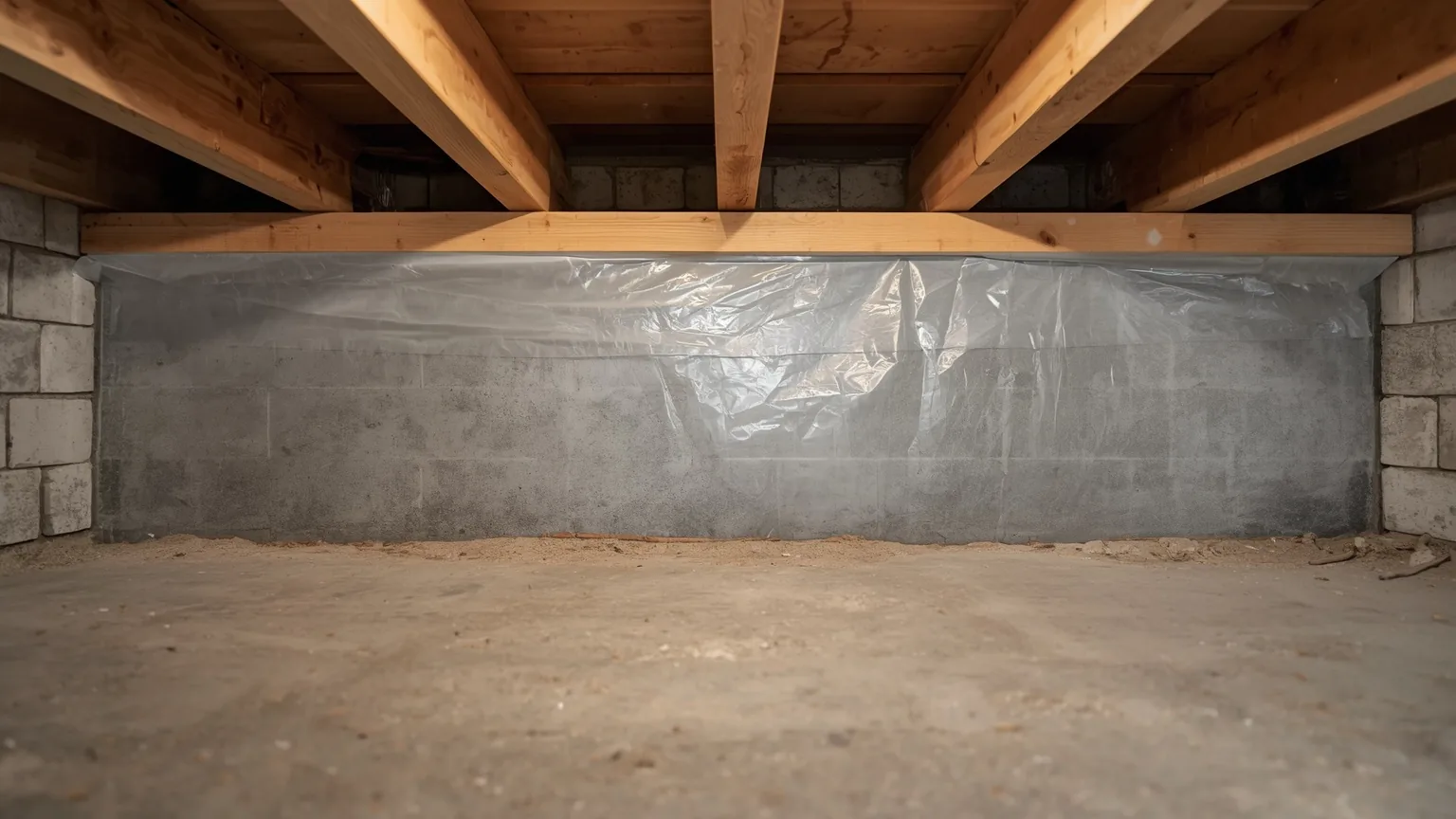
Crawl Space Encapsulation
The full sealed system — liner, closed vents and managed humidity.
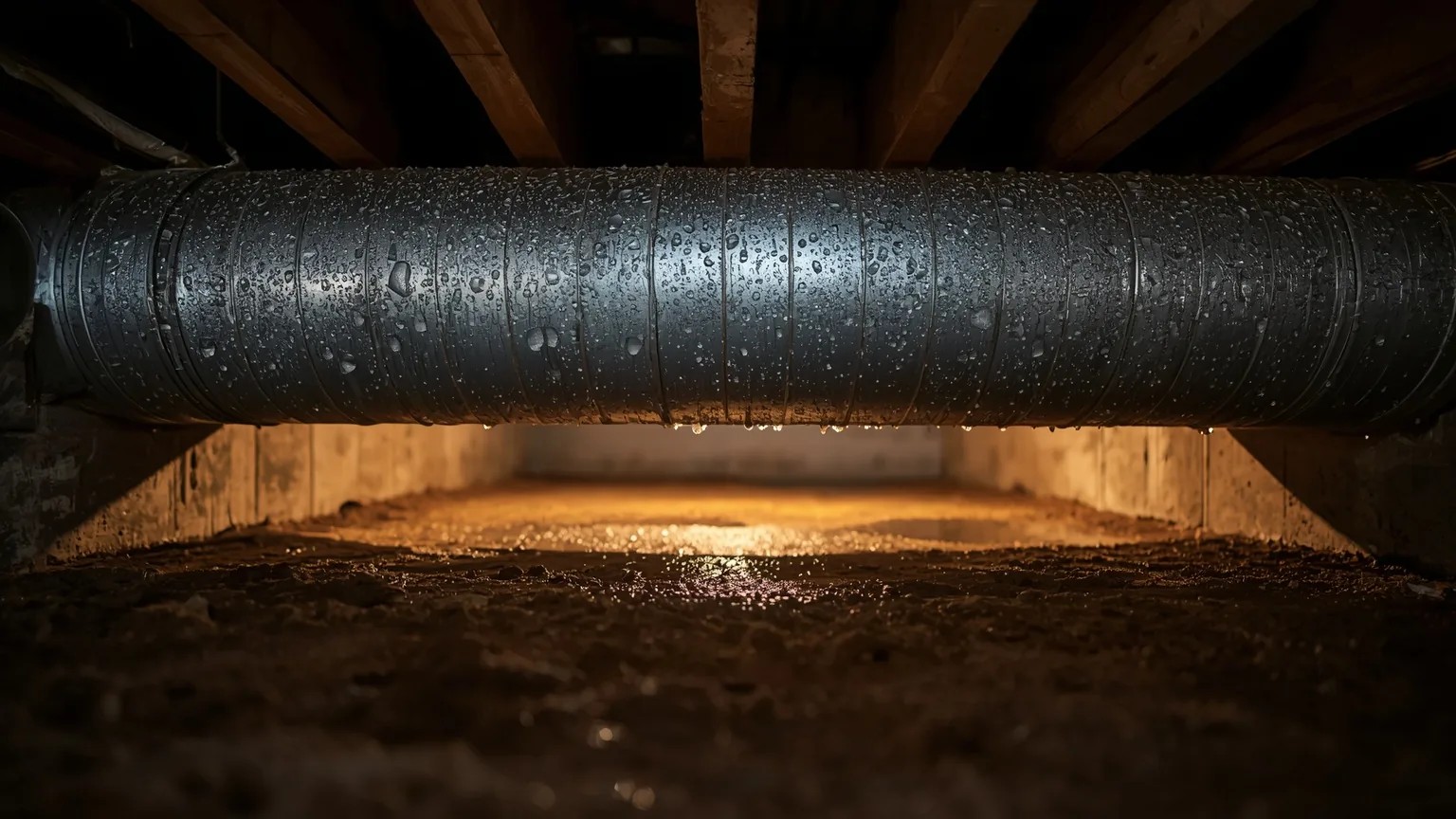
Crawl Space Moisture Control
Identifying the source before choosing the remedy.
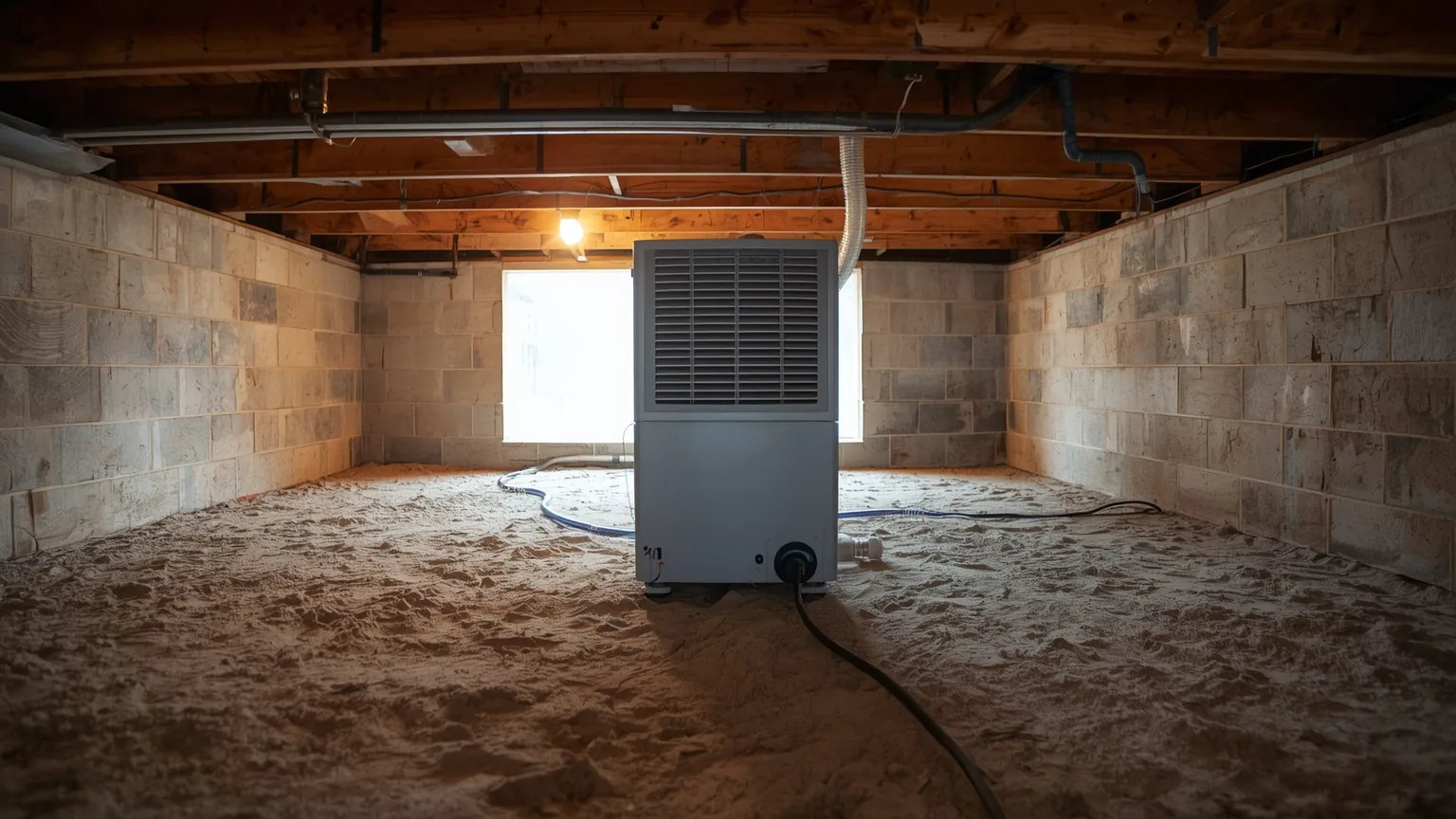
Crawl Space Dehumidifiers
Sizing, condensate and the capacity Virginia actually requires.
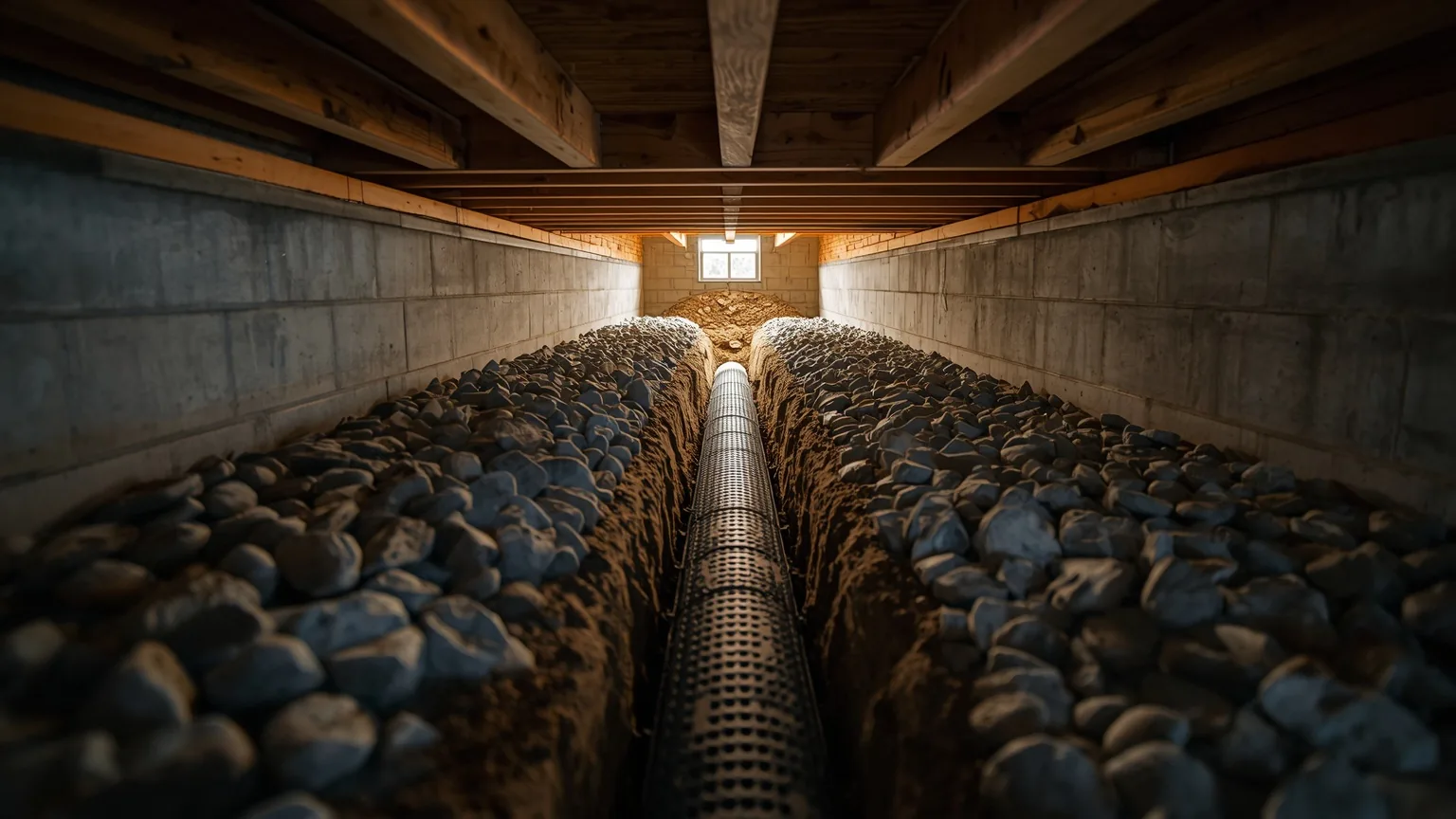
Crawl Space Drainage
A route out for water, once the cheap causes are eliminated.
Find out what is actually causing it.
An inspection underneath, readings taken on site, and a written scope ahead of any figure.