
Crawl Space Encapsulation in Richmond, VA
Encapsulation seals the crawl space off from the ground and the outside air, then controls what is left. It is the right answer for a vapor problem and the wrong answer for an unsolved water problem.
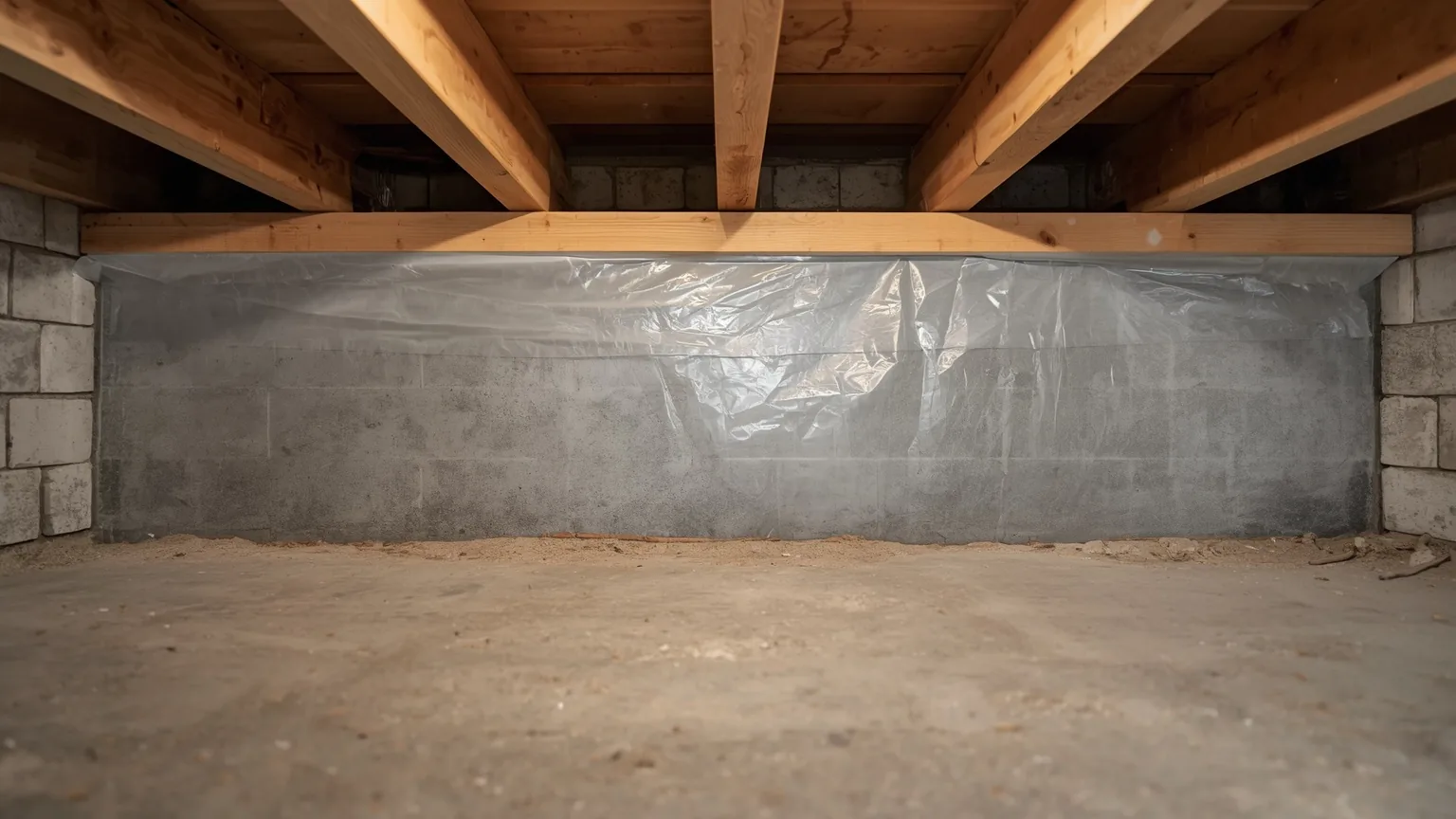
Who handles crawl space encapsulation in Richmond, VA?
Richmond Crawl Space Solutions arranges crawl space encapsulation across Richmond, Henrico and Chesterfield. Encapsulation means a sealed Class I liner over the ground and up the walls, vents closed, and humidity actively managed afterward — not a sheet of plastic laid on the dirt. It treats vapor and humid air, so any liquid water has to be dealt with first. Call (804) 552-6898 to arrange an evaluation.
What encapsulation actually is
A crawl space is encapsulated when the ground is covered by a continuous sealed liner, that liner is carried up and attached to the foundation walls, the foundation vents are closed, and the humidity in the resulting sealed space is deliberately controlled. All four parts matter. Three out of four is a partial job that behaves unpredictably.
Virginia's code treats this as one of two legitimate ways to build a crawl space. R408.2 covers the vented approach, where openings let outside air move through. R408.3 covers the unvented approach, which is what encapsulation is. A house can comply either way, but it has to actually comply with one of them — half-closing a vented crawl space is how spaces end up worse than they started.
For the unvented path, R408.3 requires the exposed earth to be covered with a continuous Class I vapor retarder, joints overlapped 6 inches and sealed or taped, and the liner edges carried not less than 6 inches up the stem wall and attached and sealed to it. That is the floor of the specification, not the ceiling.
Signs it is worth considering
None of these prove you need encapsulation. They are the conditions under which it tends to be the right tool.
- Bare soil underfoot. An open dirt floor releases moisture into the space continuously, and no amount of ventilation reliably keeps up with it in a Virginia summer.
- Summer humidity that will not come down. A space that reads high through July and August while staying reasonable in winter is describing a vapor and air problem rather than a leak.
- Condensation on ducts and pipes. Water beading on cold surfaces is outdoor air giving up moisture, which is exactly what closing the space and controlling humidity addresses.
- A musty smell in the rooms above. Air moves upward through a house, so what the crawl space smells like tends to reach the ground floor.
- Insulation falling out of the joists. Batts that have absorbed moisture, gained weight and let go are reporting a sustained humidity problem, not an installation failure.
When encapsulation is the wrong first move
If liquid water enters the crawl space, sealing it in is the most expensive mistake available in this trade. A liner over an active water source hides the water, holds it against the ground, and gives it nowhere to evaporate to. The water has to be dealt with first through drainage or wider waterproofing, and only then is there any point sealing.
Structural problems follow the same rule. If joists or girders have already been damaged, the repair happens before the liner goes down, because the liner is in the way of every one of those repairs and nobody wants to cut a new one open six weeks later.
It is also worth saying plainly that not every crawl space needs this. A space that is dry, has a sound existing barrier and holds reasonable humidity through August does not need a five-figure intervention to make it better.
What a real scope should tell you
A quote that reads as one line and one number for "encapsulation" is not a scope. Ask for the liner thickness and the material, how the seams are treated, how far up the wall the liner is carried and how it is fastened there, what happens at piers and penetrations, whether the vents are being sealed and how, what is being done about humidity afterward, and what is specifically excluded.
Two contractors can use the same word and describe genuinely different work at a similar price. The itemized version is the only way to compare them, and any contractor who intends to do the job properly will have no difficulty producing one. Our cost page covers the variables that move the figure.
The Virginia detail most liners get wrong
Virginia adds a requirement to the model code that a lot of encapsulation work quietly violates. Item 59 of 13VAC5-63-210 adds Section R408.3.1, and it says that where an unvented crawl space is installed, the vertical face of the sill plate must be clear and unobstructed, and an inspection gap must be left below the sill plate along the top of any interior foundation wall covering. That gap is a minimum of one inch and a maximum of two inches wide, and it has to run throughout all parts of any foundation that is enclosed.
The reason is termites. A liner taken all the way up and sealed against the sill plate looks like a thorough job and is actually a problem, because it covers the exact surface an inspector needs to see to find mud tubes. The model International Residential Code that most states adopt has no equivalent section — this is Virginia's own addition.
It is also one of the few parts of an encapsulation job a homeowner can check without any expertise. Look at the top of the wall liner. If it runs right up under the sill plate with no visible gap, ask about R408.3.1 before you sign anything off.
Crawl Space Encapsulation questions
Is crawl space encapsulation worth it in Richmond?
It is worth it where the problem is vapor and humidity rather than liquid water, which describes a large share of crawl spaces in this climate. Where water actively enters, encapsulation on its own is not worth it and can make things worse. An evaluation with moisture readings is what separates the two cases.
Does encapsulation include a dehumidifier?
Not automatically, and this is worth pinning down in writing. Virginia's code accepts four ways of conditioning a sealed crawl space, and dehumidification is only one of them. If a dehumidifier is the chosen path, Virginia sets a specific capacity requirement, which the dehumidifier page covers.
Can I encapsulate a crawl space that floods?
Not as a first step. Sealing a space with an active water source traps the water under the liner. Drainage, grading or a sump system comes first, the space is confirmed dry, and only then does sealing make sense.
Do the foundation vents get closed?
Yes. An encapsulated crawl space is an unvented crawl space under R408.3, and leaving the vents open means the space is neither properly vented nor properly sealed. Closing them is part of the work rather than an upgrade.
How long does encapsulation take?
It depends on square footage, headroom, access and how much has to be removed first — old insulation, debris or a failed barrier. Any drainage or structural work that has to happen first is a separate stage before the liner goes down.
Related crawl space services
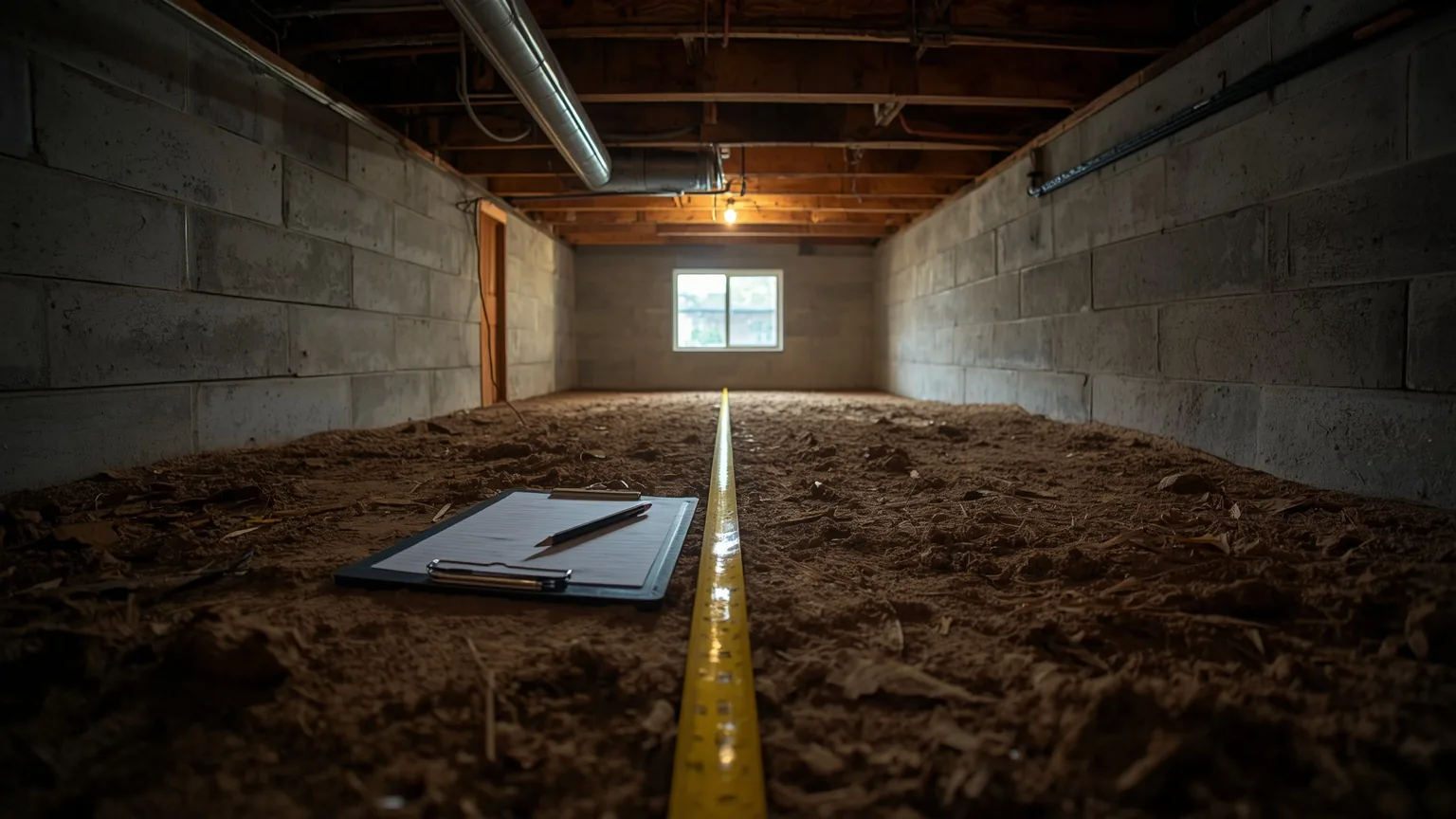
Crawl Space Encapsulation Cost
The variables behind the spread — and why one number cannot be honest.
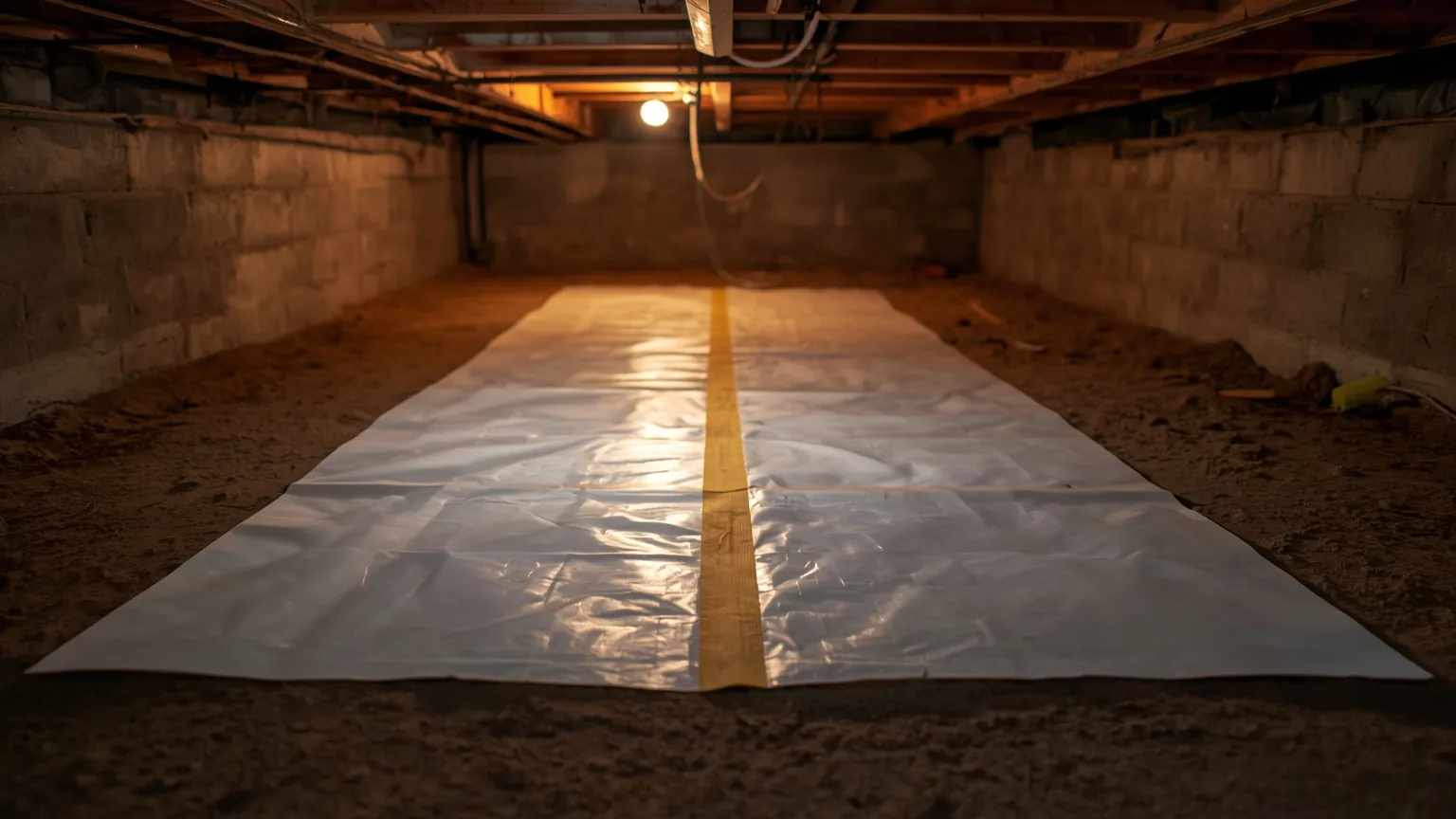
Vapor Barrier Installation
Ground cover that stops soil moisture — and where its limits are.
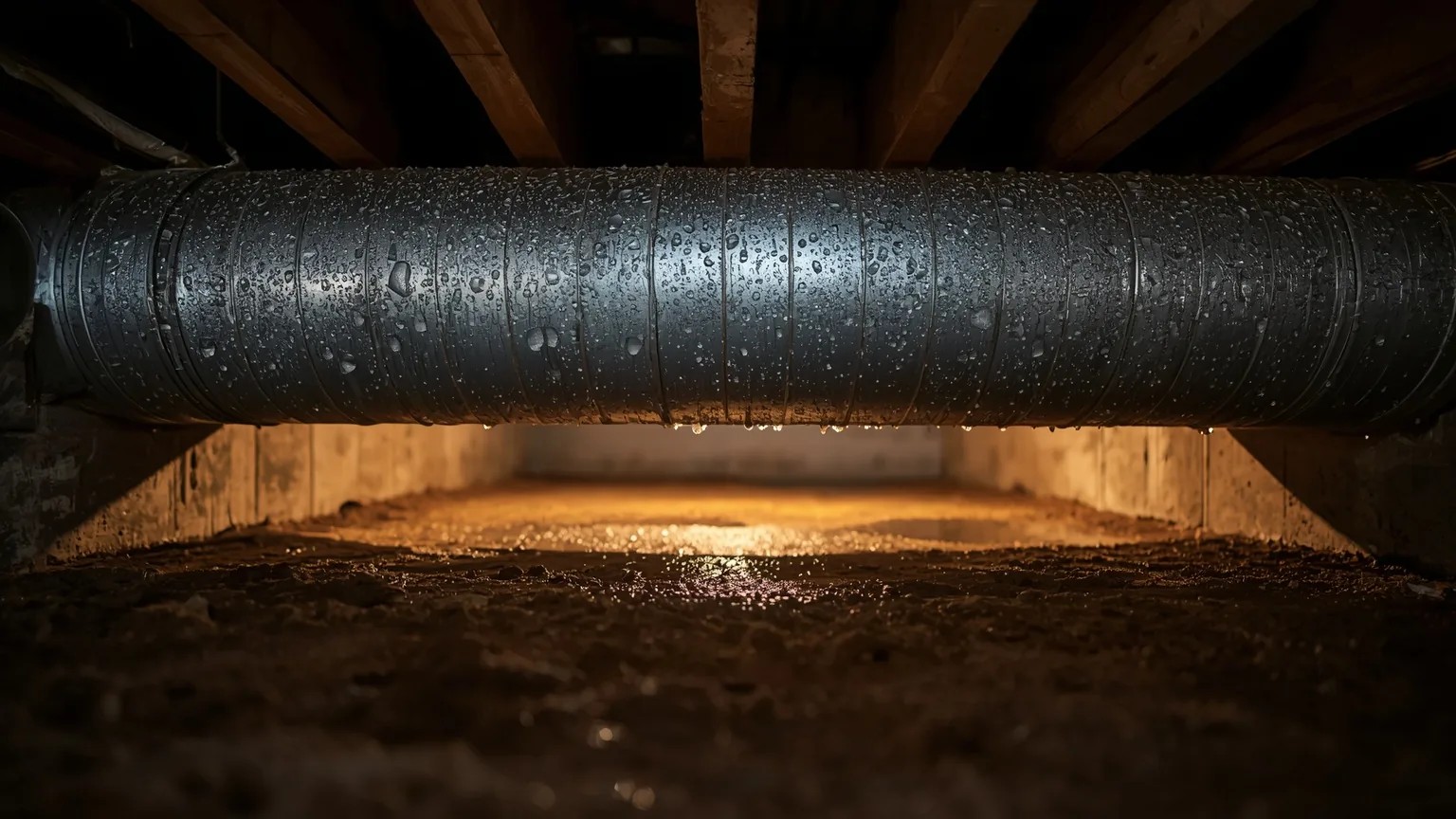
Crawl Space Moisture Control
Identifying the source before choosing the remedy.
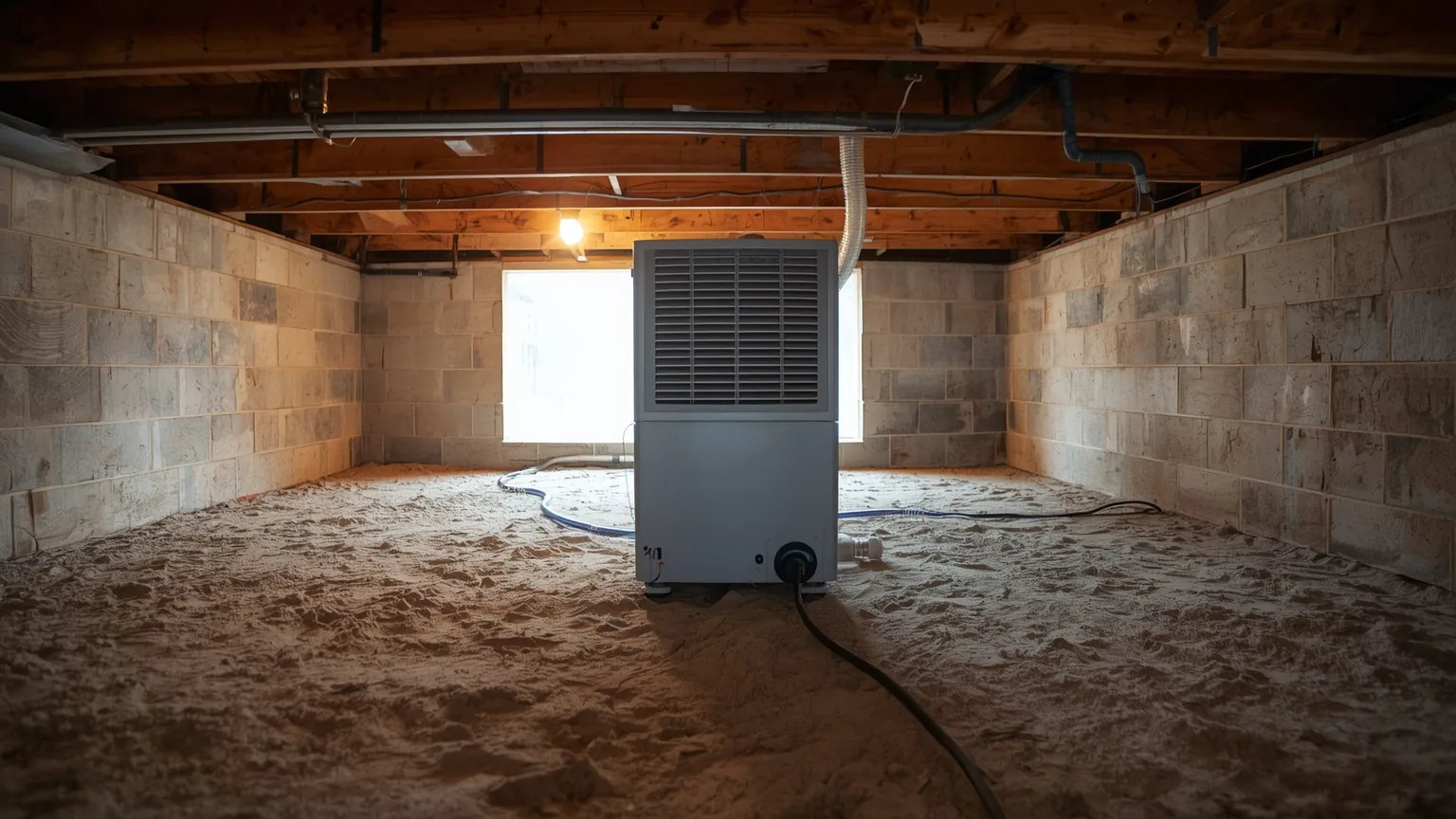
Crawl Space Dehumidifiers
Sizing, condensate and the capacity Virginia actually requires.
Find out what is actually causing it.
An inspection underneath, readings taken on site, and a written scope ahead of any figure.